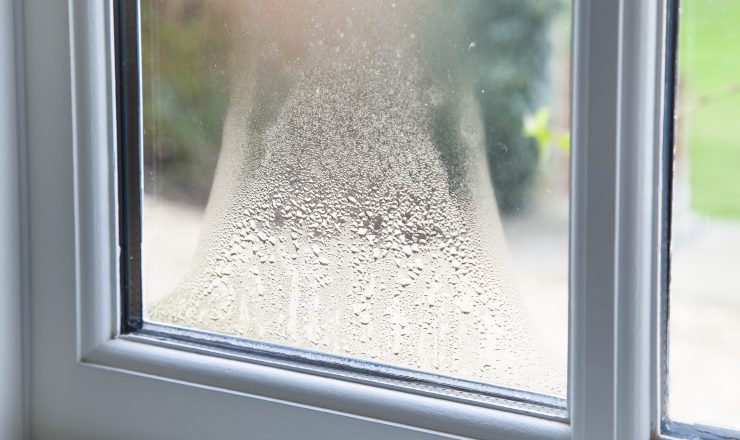
Effective Strategies for Window Moisture Removal
Moisture on windows can be a typical family annoyance, however it can also represent larger problems connected to insulation, ventilation, and indoor humidity levels. Understanding how to efficiently manage navigate to this web-site on windows is necessary for keeping a healthy living environment and maintaining the integrity of your home. This short article dives into different approaches for window moisture removal, consisting of avoidance methods, DIY solutions, and when to look for professional assistance.
Understanding Window Moisture
Before dealing with moisture removal effectively, it's crucial to understand the causes of excessive moisture accumulation on windows. Common reasons include:
- High Humidity Levels: Excess indoor humidity due to cooking, showering, or not using exhaust fans can cause condensation build-up.
- Temperature Differences: Cold window surfaces in winter can trigger warm, damp air to condense as it enters contact with them.
- Poor Insulation: Poorly insulated windows enable cold air to penetrate, increasing the chances of condensation forming.
By comprehending these aspects, property owners can start to execute methods to resolve moisture concerns efficiently.
Approaches for Window Moisture Removal
The following strategies can help handle and reduce window moisture:
1. Enhance Ventilation
A well-ventilated home can significantly lower humidity levels and keep windows clear. Think about the following:
- Open windows routinely, specifically during clothes dryer seasons.
- Use exhaust fans in restrooms and kitchens to eliminate excess humidity.
- Install air vents in key locations of the home to help with air flow.
2. Control Indoor Humidity
Handling indoor humidity plays a crucial function in reducing moisture on windows. Here are some steps to consider:
- Use Dehumidifiers: These devices can be especially efficient in moist locations like basements or bathrooms.
- Keep House Plants: Some plants can soak up moisture from the air, helping to improve indoor humidity levels.
- Display Humidity Levels: Use a hygrometer to keep tabs on humidity levels, aiming for 30-50% indoor humidity.
| Humidity Levels | Result |
|---|---|
| Below 30% | Dry skin, respiratory concerns |
| 30-50% | Balanced indoor air |
| Above 50% | Increased condensation threat |
3. Insulate Windows
Correct insulation can act as a barrier against cold air, reducing condensation on window surfaces. Think about these choices:
- Install Storm Windows: These supply an additional layer of insulation.
- Usage Window Film: Adhesive window films can enhance thermal insulation.
- Weatherstripping: Seal gaps around windows to minimize drafts.
4. Execute DIY Solutions
There are a range of DIY techniques to reduce moisture on windows:
- Use a Squeegee: Regularly use a squeegee to remove moisture from window surface areas.
- Baking Soda: Place open containers of baking soda on windowsills to soak up moisture.
- Salt Lamps: These can help keep humidity levels due to their hygroscopic properties.
5. Clean Windows Regularly
Dust and particles can produce moisture traps on window surface areas. Develop a regular to clean windows, utilizing a mixture of water and vinegar for optimal outcomes. Regular cleansing permits surfaces to breathe and reduces the possibility of mildew and mold advancement.
Preventative Measures to Consider
Taking preventative measures can help minimize future condensation concerns. Consider implementing the following:
- Regular Home Maintenance: Check for leakages in insulation or around windows.
- Boost Heating: Ensure that the whole room, including window surface areas, is sufficiently heated up.
- Upgrade Windows: Consider investing in double or triple-glazed windows for better insulation.
Frequently Asked Questions (FAQs)
1. Why do my windows get moisture on them in winter?
The main reason windows bring in moisture in winter season is due to the temperature difference in between warm, damp indoor air and cold outdoor air. When humid indoor air enters contact with the cold surface of a window, condensation takes place.
2. How can I tell if my windows are improperly insulated?
Indications of poorly insulated windows include drafts, increased energy costs, and noticeable condensation throughout colder months. If you discover these symptoms, it's advisable to investigate additional or seek advice from a professional.
3. Is it essential to use a dehumidifier year-round?
Not always. A dehumidifier is crucial in damp months or in specific areas of the home, such as basements. Monitor humidity levels; if they frequently surpass 50%, consider using a dehumidifier.
4. Can mold grow on moist windows?
Yes, mold can grow on damp window frames or around the glass, particularly if moisture remains stagnant. It's vital to eliminate condensation promptly to prevent mold development.
5. What are the long-lasting effects of not attending to window moisture?
Long-term effects can include water damage, mold growth, jeopardized indoor air quality, and structural damage to window frames and surrounding locations. Without delay resolving moisture problems is essential to lengthen the life-span of your windows.
Window moisture removal is vital for preserving a healthy household environment. By understanding the causes of moisture, implementing appropriate ventilation and insulation, and making use of different removal methods, property owners can mitigate possible damage and enhance indoor air quality. Resolving moisture issues may require some in advance financial investment and effort; however, the long-term benefits far surpass the initial obstacles. With constant care and preventive steps, windows can stay clear and free of condensation.